What Is NEET UG
The National Eligibility cum Entrance Test Undergraduate, commonly known as NEET UG, is the single entrance examination for admission to MBBS, BDS, AYUSH and several other undergraduate medical courses across India. It is conducted by the National Testing Agency (NTA) and is mandatory for admission to government and private medical colleges, including deemed universities, in almost every state.
Before NEET UG was introduced, individual states and institutions held separate entrance tests. The move to a single national exam was meant to standardise the admission process and reduce the burden on students of preparing for multiple exams. Today, NEET UG scores are used by two separate counselling authorities to allot seats, which is one of the more confusing parts of the process for first-time applicants.
Eligibility Criteria
Age and Qualification
Candidates must have completed or be appearing for Class 12 with Physics, Chemistry, Biology/Biotechnology and English as subjects, from a recognised board. Minimum qualifying marks in the science subjects vary by category (General, OBC, SC, ST, EWS, PwBD) and are specified in the official information bulletin each year. Because eligibility marks and age criteria are subject to revision and legal proceedings from time to time, candidates should always verify the current requirement in the official NEET UG information bulletin on nta.ac.in rather than relying on previous years’ figures.
Number of Attempts
There is currently no upper limit on the number of attempts for NEET UG, though this has been a subject of policy discussion in the past. Candidates should check the latest official notification for any change in this rule before planning multiple attempts.
Exam Pattern
Subjects and Marking Scheme
NEET UG tests three subjects: Physics, Chemistry, and Biology (which includes Botany and Zoology). Each subject is divided into two sections — Section A with a larger set of compulsory questions, and Section B with a slightly larger pool of questions from which a fixed number must be attempted. The exam uses objective-type, multiple-choice questions, with marks awarded for correct answers and marks deducted for incorrect ones (negative marking). The exact number of questions, section-wise split, marking scheme and total marks should be confirmed from the current year’s information bulletin, as these details are occasionally revised.
Mode and Duration
The exam is conducted in pen-and-paper (OMR-based) mode, in a single sitting, across designated exam centres in India and a limited number of centres abroad. It is offered in English, Hindi and several regional languages, with the medium choice usually tied to the exam centre selected during registration.
Counselling Process
Once results are declared, admission is not automatic — candidates must register separately for counselling, which is conducted through two parallel channels.
MCC vs State Quota
- All India Quota (AIQ) counselling, conducted by the Medical Counselling Committee (MCC) under the Directorate General of Health Services, covers 15% of seats in government medical colleges across all states, plus 100% of seats in central institutions such as AIIMS-pattern colleges, deemed universities and central universities.
- State quota counselling, conducted separately by each state’s designated authority, covers the remaining 85% of seats in state government medical colleges, as well as most seats in private medical colleges within that state, which are often reserved for domicile or resident candidates.
Because these two systems run independently with their own registration portals, fee structures, reservation rules and schedules, candidates typically need to register on the MCC portal (mcc.nic.in) for AIQ seats and on their home state’s counselling portal for state quota seats. It is common, and often advisable, to register for both simultaneously to maximise options, provided a candidate is eligible for both.
Choice Filling and Seat Allotment
Both MCC and state counselling generally follow a similar structure:
- Online registration and payment of the counselling fee.
- Choice filling, where candidates rank colleges and courses in order of preference.
- Seat allotment based on rank, category, choices filled and seat availability.
- Reporting to the allotted college for document verification and admission confirmation, or exercising an upgrade/float option where available.
- Additional rounds, including mop-up and stray vacancy rounds, for seats that remain vacant after the main rounds.
Candidates who do not report or confirm admission within the stipulated window may forfeit the allotted seat, so tracking counselling schedules on the respective official portals is essential.
Preparing Documents and Application Checklist
Keeping documents ready in advance avoids last-minute stress during both registration and counselling. Commonly required documents include:
- Class 10 and Class 12 mark sheets and certificates
- A valid photo ID (Aadhaar or other government-issued ID)
- Category certificate (SC/ST/OBC/EWS/PwBD), where applicable
- Recent passport-size photographs meeting the specified format
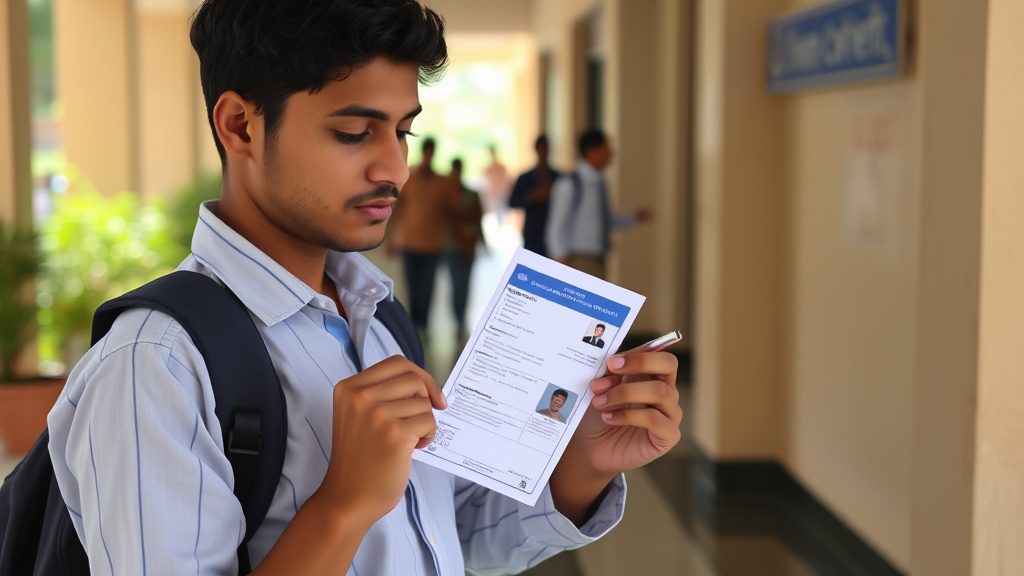
- NEET UG admit card and scorecard
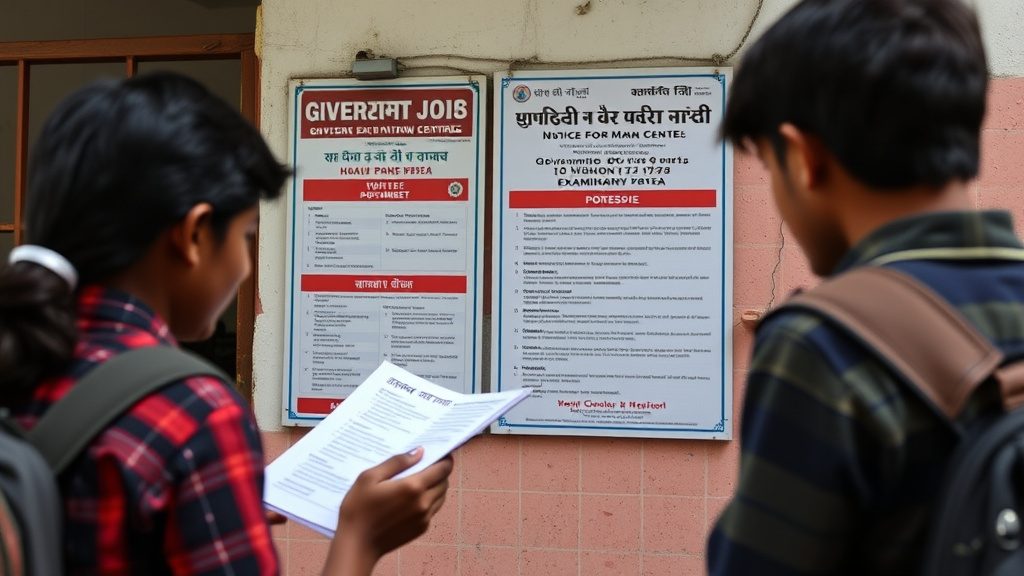
Since formats, fee amounts and deadlines change from year to year, candidates should rely only on the official NTA and MCC notifications rather than assuming last year’s details will repeat.
Frequently Asked Questions
Is NEET UG compulsory for all medical courses in India? Yes, NEET UG is the mandatory qualifying exam for admission to MBBS, BDS and most AYUSH undergraduate courses in recognised Indian institutions, including private and deemed universities.
What is the difference between All India Quota and state quota seats? All India Quota seats are allotted centrally by the MCC based on the national merit list, while state quota seats are allotted by individual state counselling bodies, often with domicile-based eligibility and separate reservation rules.
Can a candidate participate in both MCC and state counselling at the same time? Generally yes, since the two processes run on separate portals with independent registration, though candidates should check specific state rules on simultaneous participation and any restrictions on holding seats in both streams.